Bring your injection mold home from China or Mexico.
Moving an injection mold from an overseas or offshore molder? Your tool is already built and paid for. We receive it, inspect and repair it in our own tool room, sample it, and run your parts here in Connecticut, so you get U.S. lead times and domestic supply without paying for a new mold.
Keep the tool. Change who runs it.
Companies move molds back for different reasons, and most of them come down to the same thing: the part is fine, the supply chain around it is not. A tool transfer fixes the supply chain without starting the tooling investment over.
Mold transfer is also called tool transfer, tooling transfer or mold relocation. When the mold is coming back from an overseas or offshore supplier it is usually called reshoring, and you will also see onshoring, inshoring and backshoring. Moving production to a nearby country such as Mexico is nearshoring.
Shorter, more predictable lead times
No ocean freight, customs holds or port delays between your press and your dock, and a more resilient supply chain.
Tariff and total landed cost
Parts molded here are not imported, so import duties and shipping volatility come out of the price. Many buyers find the total cost of ownership favors domestic molding once freight, inventory and risk are counted.
Direct access to the people running your tool
Same time zone, same language, and a tool room that can adjust the mold when something needs changing.
Quality and consistency problems
A mold that produced inconsistent parts overseas can be evaluated, repaired and sampled before it goes into production.
Protecting your design and IP
Keep tooling and part data with a supplier you can reach, in a jurisdiction where your rights are enforceable.
Made in USA
Domestic injection molding in Connecticut, for customers who need U.S.-made parts.
Five steps from your mold to production parts.
A transfer is more than shipping a tool. Each step is there to find problems while they are cheap to fix.
Review and quote
You send prints, CAD, mold details and samples. We confirm the mold fits our presses and quote the transfer.
Receive and inspect
The mold arrives at our Waterbury tool room, where we evaluate its condition, components, cooling and wear.
Repair and modify
Our tool room cleans, repairs, refurbishes and adjusts the mold for production here, including fittings and press interface.
Sample and validate
We run sample parts (first articles) and compare them to your prints and approved samples before anything ships.
Production
Once you approve the samples, the mold goes into production, with the tool room supporting it from here on.
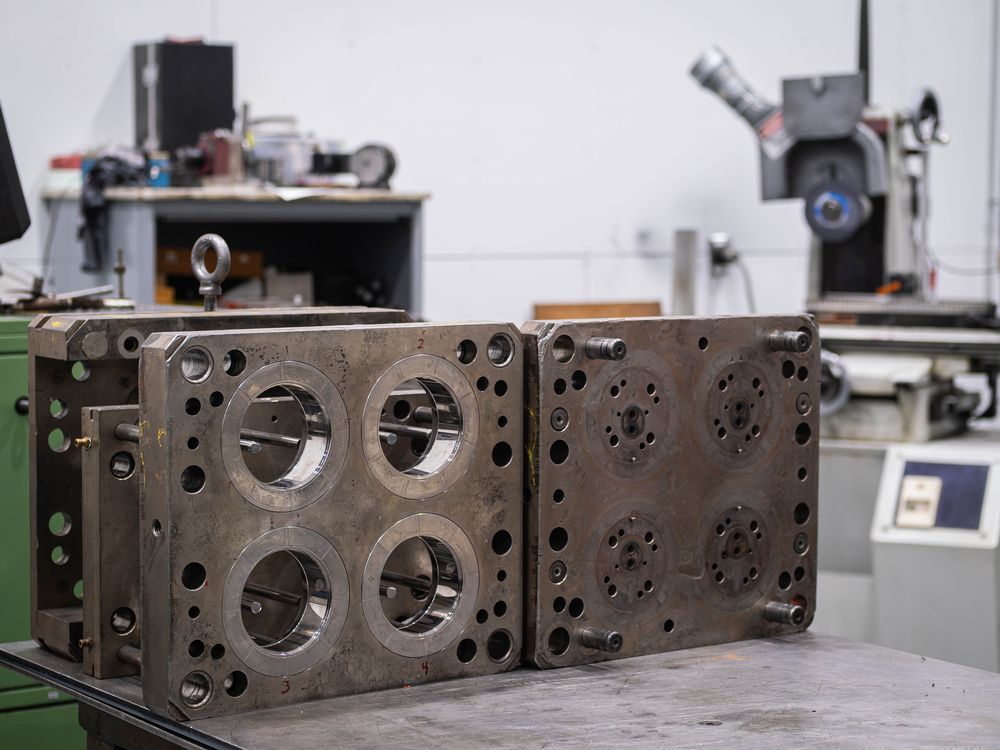
Tooling and molding under one roof.
Most transfer problems sit on the line between the mold and the process. Because our tool room and our molding floor are in the same building, the person who repairs your mold is down the hall from the person running it. If something needs a tweak at 2 a.m. on lights-out, it does not wait on a shipping container.
Tool room services for transferred molds include mold inspection and evaluation, cleaning and maintenance, repair and refurbishment, and modification so the tool runs correctly on our presses.
If a mold cannot be recovered or is not worth moving, we can rebuild it from your drawings and CAD instead.
What we need to quote your transfer.
Do not wait until you have everything. Send what you have and we will tell you what is missing.
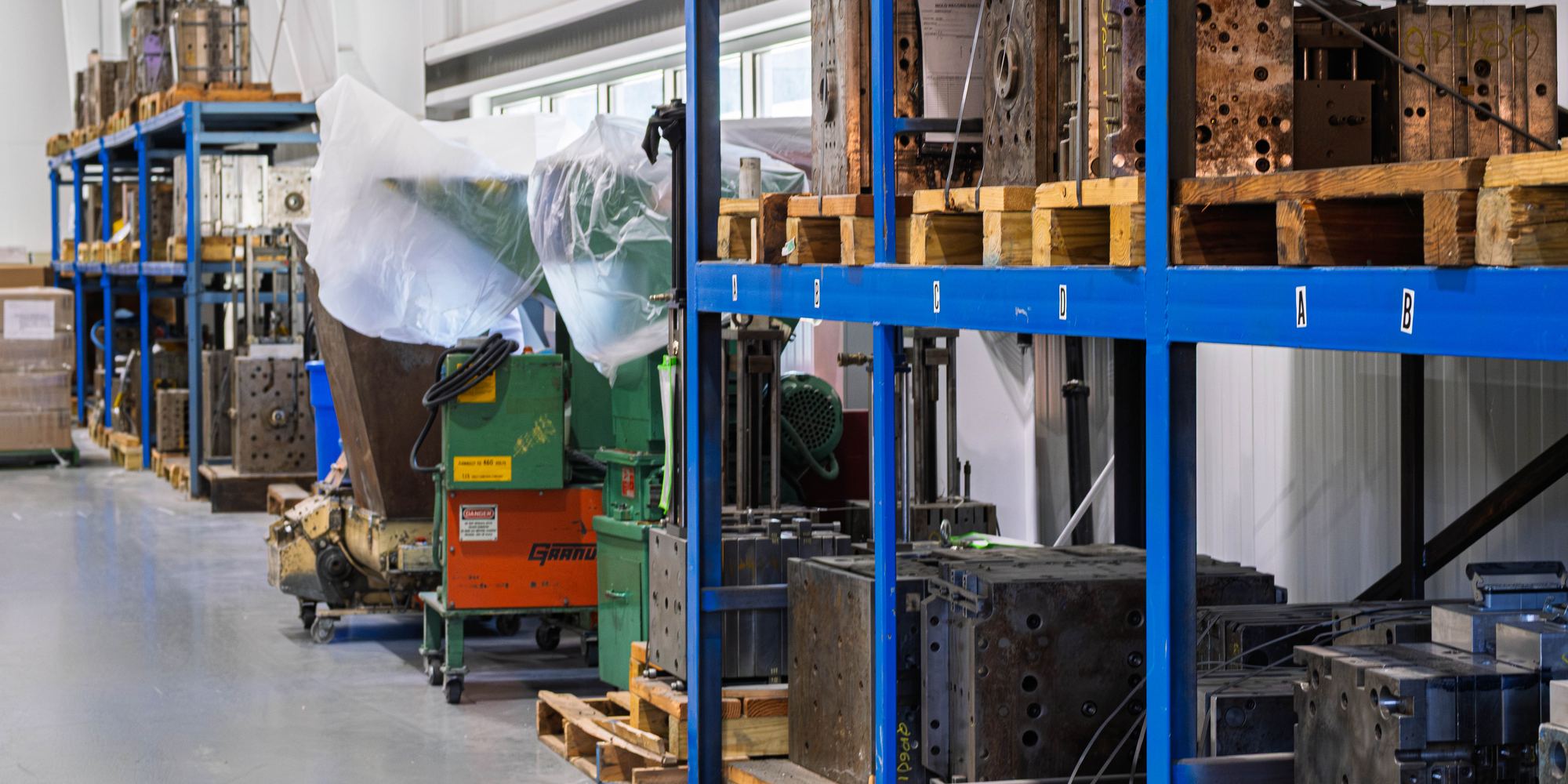
Mold transfer questions.
What is an injection mold transfer?
A mold transfer, also called a tool transfer or tooling transfer, moves an existing injection mold from one molder to another so the new molder can validate it and run your production parts. It is different from building a new tool: you keep the steel you already paid for and change who runs it.
What is the difference between mold transfer, tool transfer and reshoring?
Mold transfer and tool transfer mean the same thing: moving a mold to a new molder. Reshoring (also called onshoring, inshoring or backshoring) is bringing production back to the United States from overseas or offshore, and it usually involves a mold transfer. Nearshoring means moving production to a nearby country, such as Mexico.
Can you take a mold that was built in China?
Yes. We receive customer-owned molds built in China, inspect them in our tool room, make the repairs or modifications needed for production here, and sample parts before the program goes live.
Can you take a mold from a molder in Mexico?
Yes. The process is the same wherever the mold is coming from: we review the tool and its documentation, confirm it fits our presses, repair or modify it if needed, and run samples.
Can you transfer a mold from any overseas or offshore supplier?
Generally yes, whether it is in China, Mexico, elsewhere in Asia or anywhere else overseas. Send us the part prints, mold details and photos and we will tell you whether the tool is a good candidate to move.
Do I need to own the mold to transfer it?
Yes. Ownership has to be clear before we can move it. Check your agreement with your current supplier. If the supplier owns the tool, the options are to buy it from them or to build a new one, and we can quote either.
Is it cheaper to transfer a mold or build a new one?
Transferring an existing mold avoids the cost of a new tool, which is why it is one of the most common ways to reshore. The answer depends on the mold's condition, how much repair it needs and your volume. We will tell you honestly which makes more sense.
What do you need from me to quote a mold transfer?
The more the better: 2D prints and 3D CAD for the part, mold drawings if you have them, photos or specs of the mold (size, number of cavities, hot or cold runner), the material and annual volume, and sample parts. If you are missing some of this, send what you have and we will tell you what else we need.
What types of molds can you take?
Tell us what you have: hot or cold runner, single or multi-cavity, insert molds and molds with side actions or core pulls. We confirm that the mold fits our presses before quoting.
What if the mold needs repair or the parts are inconsistent?
That is what the tool room is for. Worn or damaged components get repaired and refurbished, and the mold is cleaned, adjusted and sampled before production, so problems are found here rather than on your line.
Will molding in the U.S. help with tariffs?
Parts molded in Connecticut are not imported, so import duties on finished parts and ocean freight drop out of your cost. Moving the mold itself across a border can involve customs and freight, so check specifics with your customs broker.
What if I cannot get the mold back or it is not worth moving?
Then we can rebuild the tool from your part drawings and CAD in our tool room. We will tell you whether moving the old mold or building a new one makes more sense for your volume.
How much does a mold transfer cost and how long does it take?
It depends on the condition of the mold, the press it needs, and how complete the documentation is. Send us the details and we will give you a clear quote and timeline for your specific tool.
Tell us about your mold.
A real person reviews every request and replies the same business day. Tell us where the mold is and what the part is, and we will tell you what a transfer would take.